A very long scenic route, or how I learnt to consider myself an illustrator
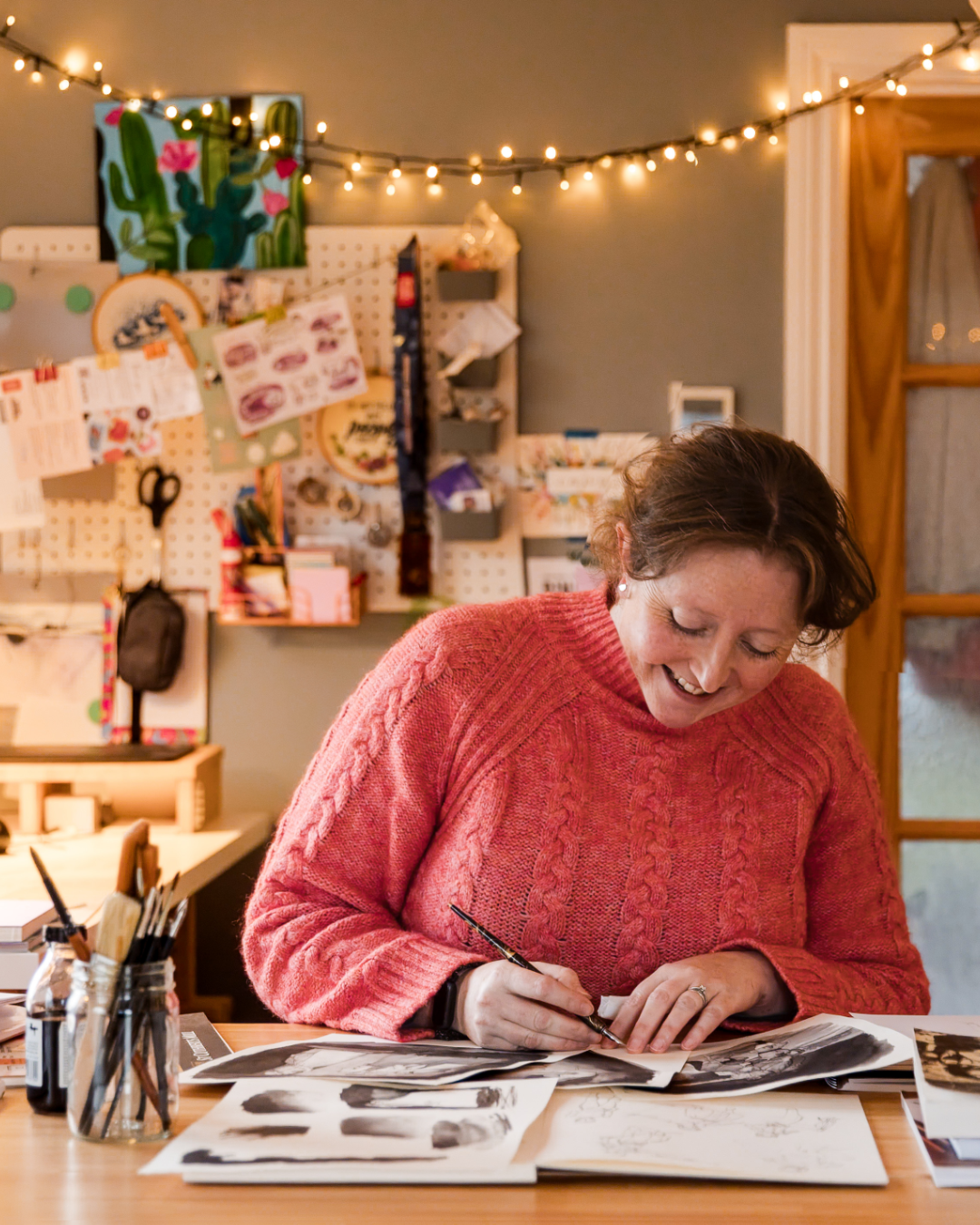
I don't remember exactly when I first said it properly. But I remember how the conversation went.
"What do you do?"
"I'm an illustrator."
"Ooh, picture books?"
"No, er, I do all sorts of things, like, er, maps and, er, drawing wildlife."
"Oh. Will I have seen your stuff anywhere?"
"Probably not... I've only just started out." [Embarrassed trailing off.]
The thing is, I said some version of that last line for nearly four years. As if "illustrator" on its own wasn't quite enough and I needed to provide evidence, or context, or an escape route, despite having been drawing professionally for nearly four years by that point.
I was really apologising for my 'lack' of portfolio, that I hadn't gone to art school (I read History at university), or that I'd spent 15 years building a completely different career before jacking it all in to 'draw stuff'.
And I definitely kept waiting for the moment it would feel official. Some threshold I'd cross where I'd finally be allowed to say it.
But the impostor syndrome never really goes away. And as someone who had always been focused on academic achievement, not having the ‘right’ qualifications really didn’t help my confidence, even once people had started paying me for my work.
Not that I’d had a ‘standard’ career trajectory up to that point
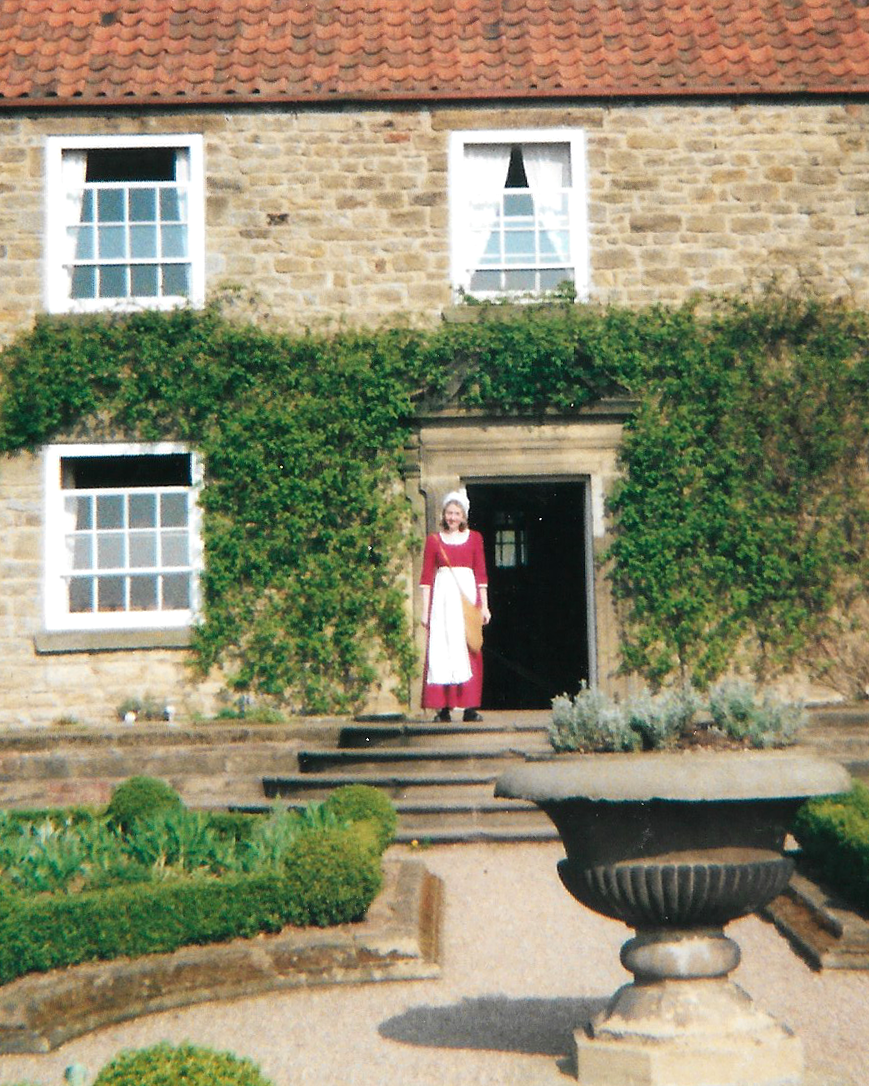
My first ever job was dressing up as a Georgian maid at Beamish Open Air Museum (and yes, that's me aged 19, in the only photo I have from that job!) on my gap year.
I had to memorise two enormous books of historical information and then spend my days demonstrating candle-making, bread-making, carding and spinning wool — and answering whatever questions visitors threw at me. My favourite spot was the oldest part of the building: a Bastle House, with a wooden box bed you could close the doors on to keep the warmth in, a huge open fireplace where we'd make oatcakes on a griddle, and fleece heaped everywhere waiting to be spun on a huge spinning wheel. It always smelled of lanolin and wood smoke (and sometimes burnt oatcakes if we dropped them in the fire!)
You could feel the history in that room. Centuries of how people had actually lived, before everything changed with the age of steam. What I loved most, though, was explaining it. Showing as well as telling. Watching visitors go from mildly curious to genuinely absorbed. I didn't know it at the time, but that was the feeling I'd spend the rest of my career trying to get back to!
A History degree at Durham University + 12 years at the University of Oxford + 5 years at the National Trust = 20 years thinking about how people connect with things they care about and learning how to craft stories that engaged and moved an audience; to take action, or to think or feel differently.
The pivot
I genuinely loved working at the National Trust — the organisation, the mission, the people, the places. If you'd asked me to describe a dream employer before I worked there, I'd probably have described something like it.
But there was this thing that kept nagging at me. In the senior leadership roles that I felt like I’d fallen into, the hands-on creative work of writing and design that I’d enjoyed through the early part of my career had disappeared and instead I was managing budgets and teams and stakeholders and strategies. I really missed making things as part of my work, rather than just something I did as a hobby in my spare time.
So I decided to find out if I could build something that came from my creativity. I spent the first two years of being self-employed trying everything — surface pattern design, illustrated products, prints — slowly figuring out what I was actually good at and what people actually wanted to commission or learn from me.
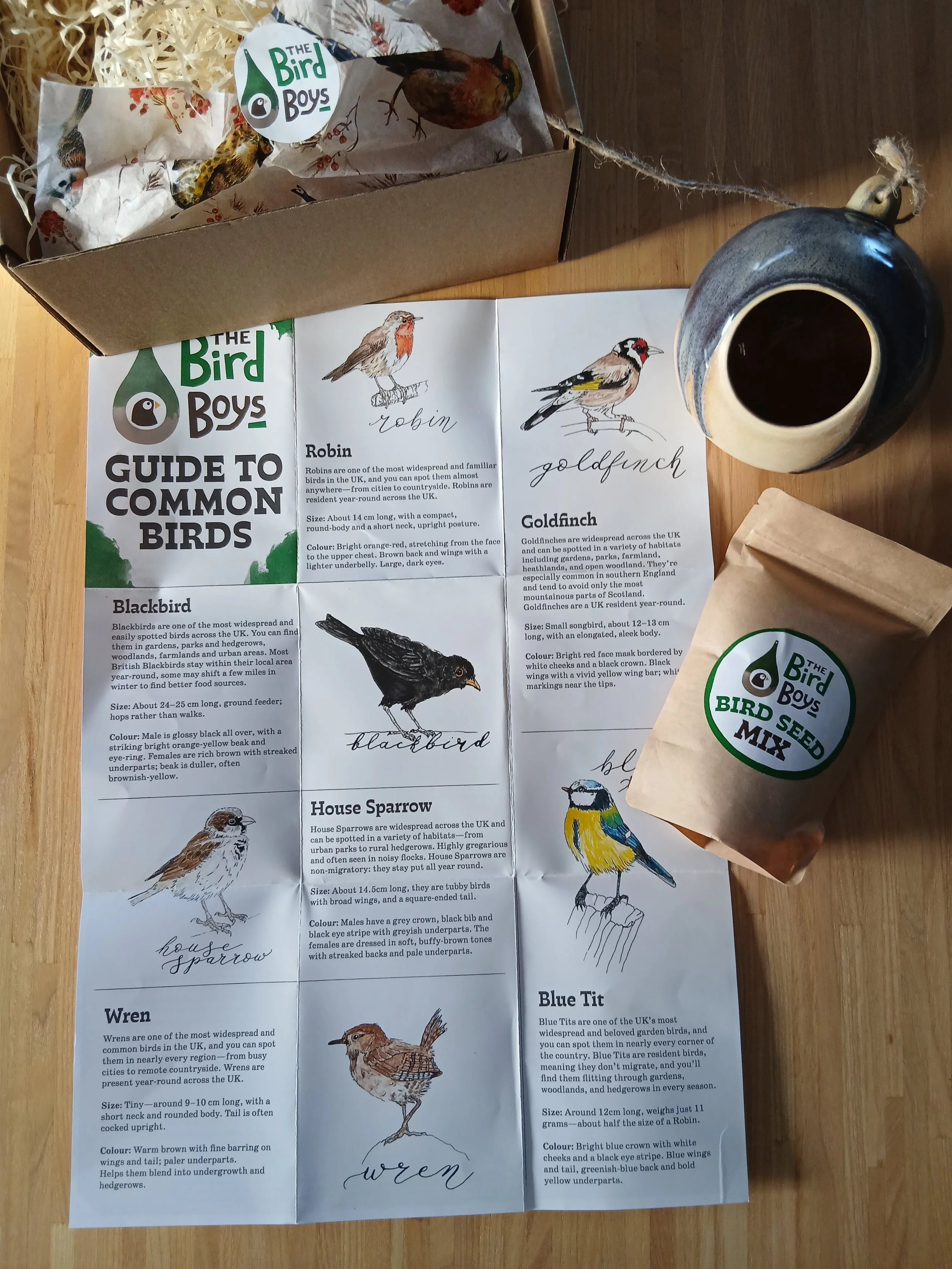
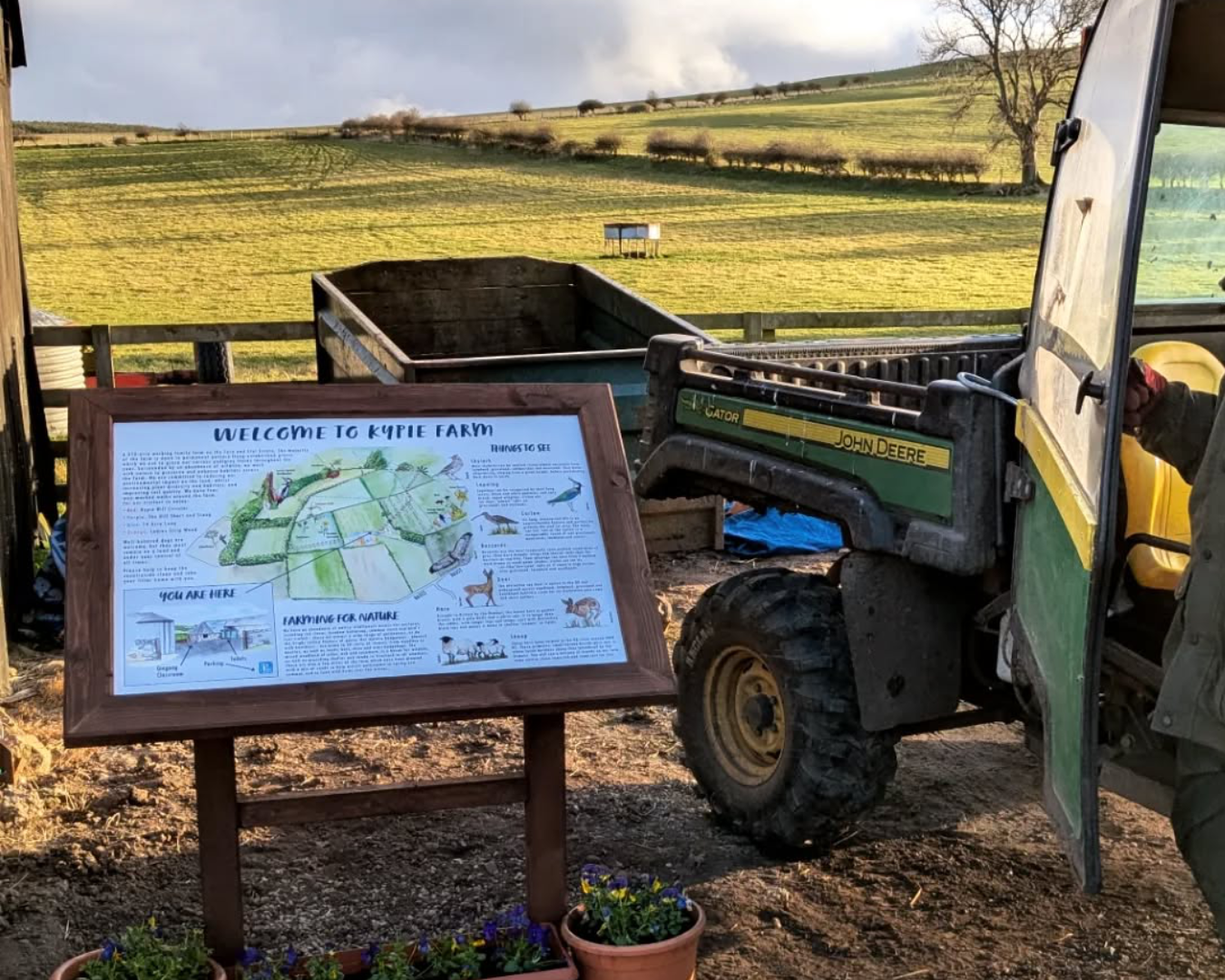
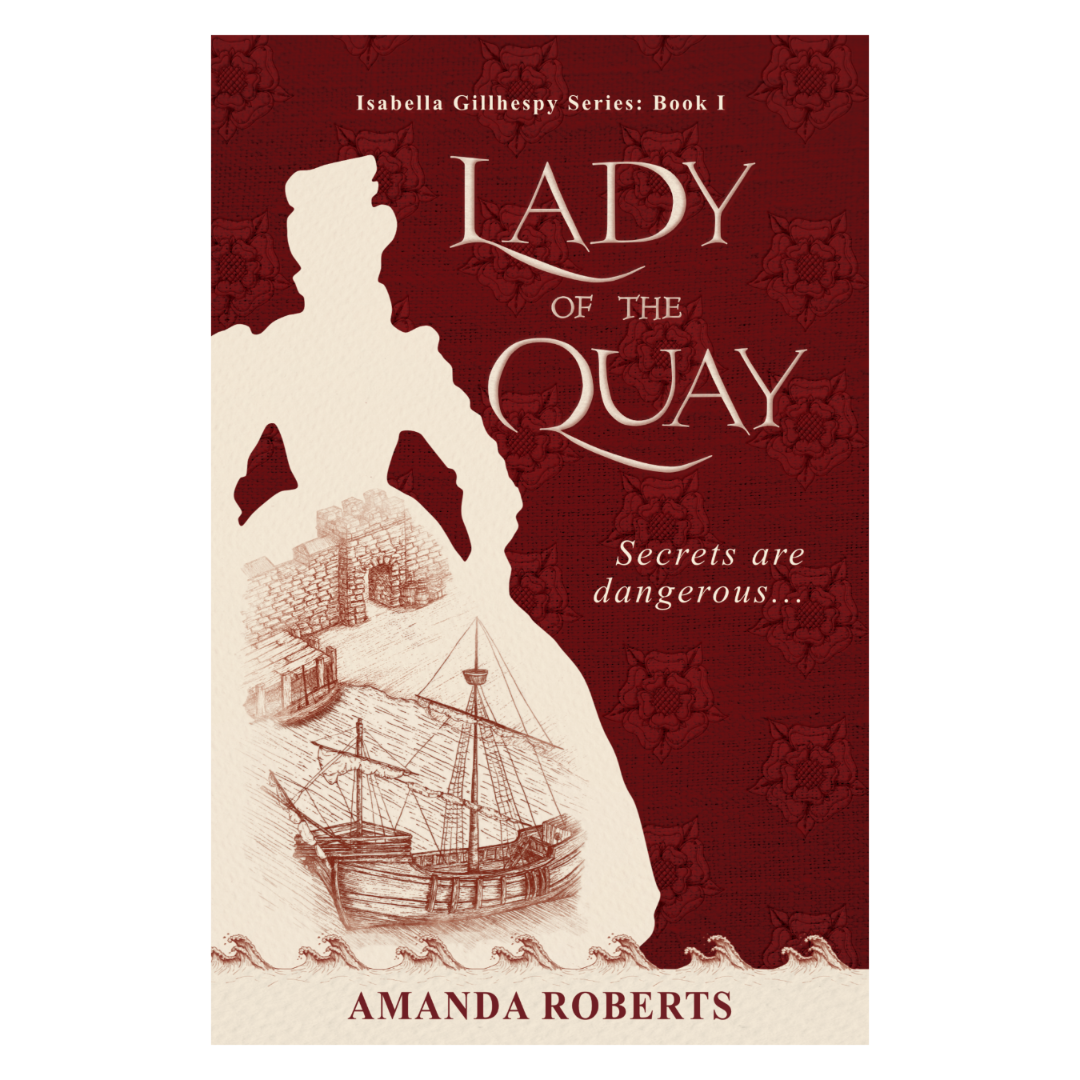
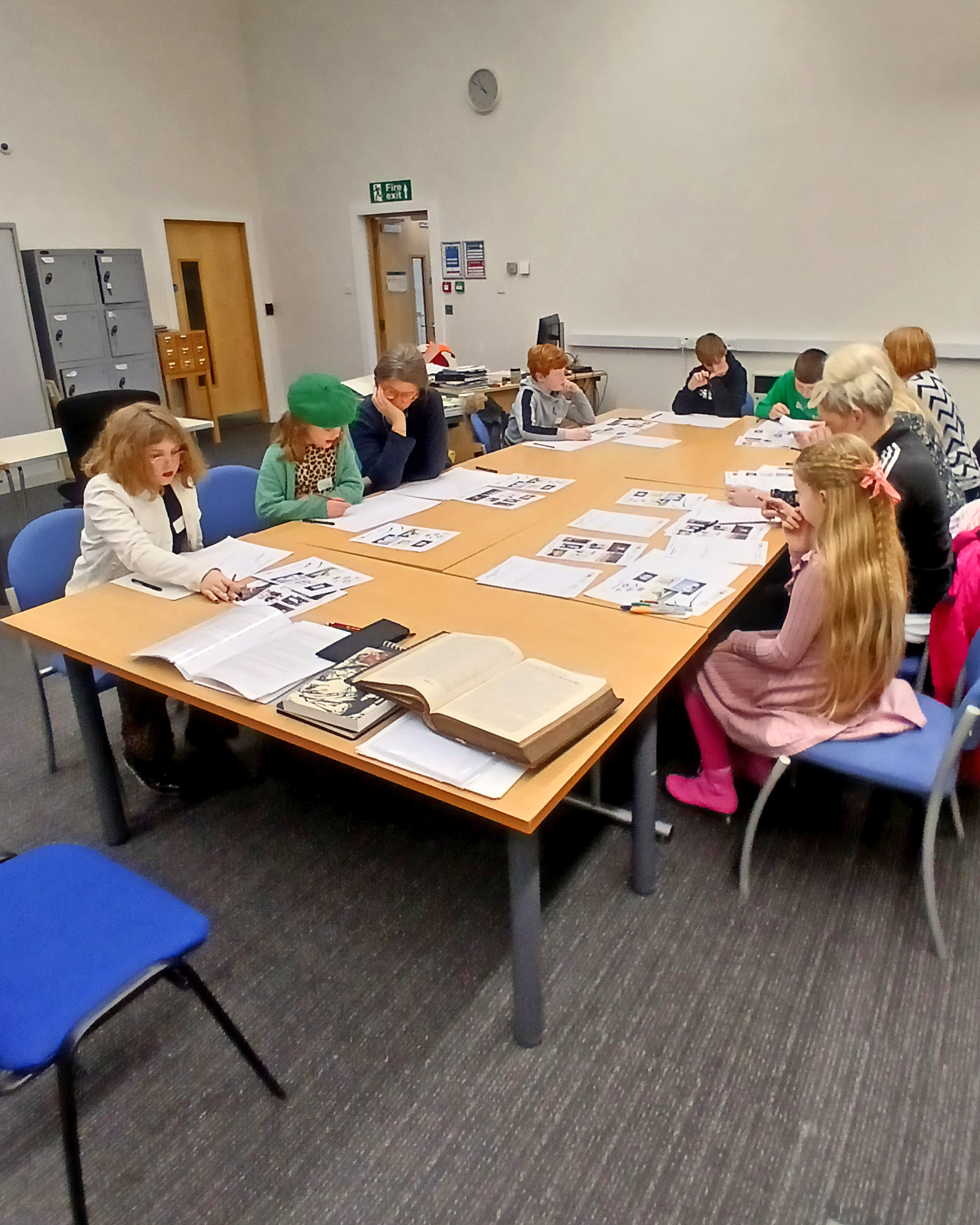
It wasn't in any way a clean leap but another long, winding journey towards where I am now. Over the past four years I've had a licensing deal for my British bird illustrations. I’ve created illustrated maps and interpretation for heritage and conservation organisations. And I’ve run participatory workshops to help people unlock their own creativity.
As I’ve been head-down in this pivot, I’ve spent a lot of time thinking that the first part of my career had no relation to this new adventure.
Interesting threads
Except that now I can see that my whole, strange and disparate-seeming career has some clear threads running through it.
I’ve always been interested in people and what motivates them, in trying to help people to connect to the past, whether their own, or history in the broader sense. Discovering that just knowing and reciting the facts isn't enough (although it is increasingly important!) but learning to craft the stories that will make someone think 'Yes, I recognise this/I care about this/I want to do something about this'.
And this realisation has helped me to put some of my confidence demons to rest. I’ve realised that it doesn’t matter that I don’t have a Fine Art degree or formal illustration training, because (as I always tell my workshop students) drawing is a skill, not a talent. I’ve drawn pretty much daily for the past four years and so I’ve gotten better at being able to realise on paper the ideas that are in my head. And those years of working in communications, or the training in historical research and the interpretation of sources that I got from my degrees in History and Art History, have all contributed to how I approach my illustration work.
Because when I'm working with a heritage or conservation organisation now as an illustrator, I'm not just thinking about what looks good on the page. I'm thinking about the people who will stand in front of the work and trying to tell the story that creates a moment of genuine connection for them.
Or when I’m running a workshop, I’m thinking about what stories people have already woven for themselves about how creative they are, or aren’t, and what they know, or don’t and how to frame my teaching to give them a new narrative to believe in.
If you’re interested in working with me on a project, whether that’s a commission or a bespoke workshop, I’d love to hear from you.