Drawing Purpose: When an Organisation Doesn’t Need New Ideas — Just the Right Partner
Not every branding project begins with a blank sheet of paper.
Sometimes, the most important role a designer can play is not to introduce a host of new ideas, but to listen carefully, test assumptions, and help an organisation refine what it already instinctively knows to be right.
That was exactly the case with Hepple Wilds.
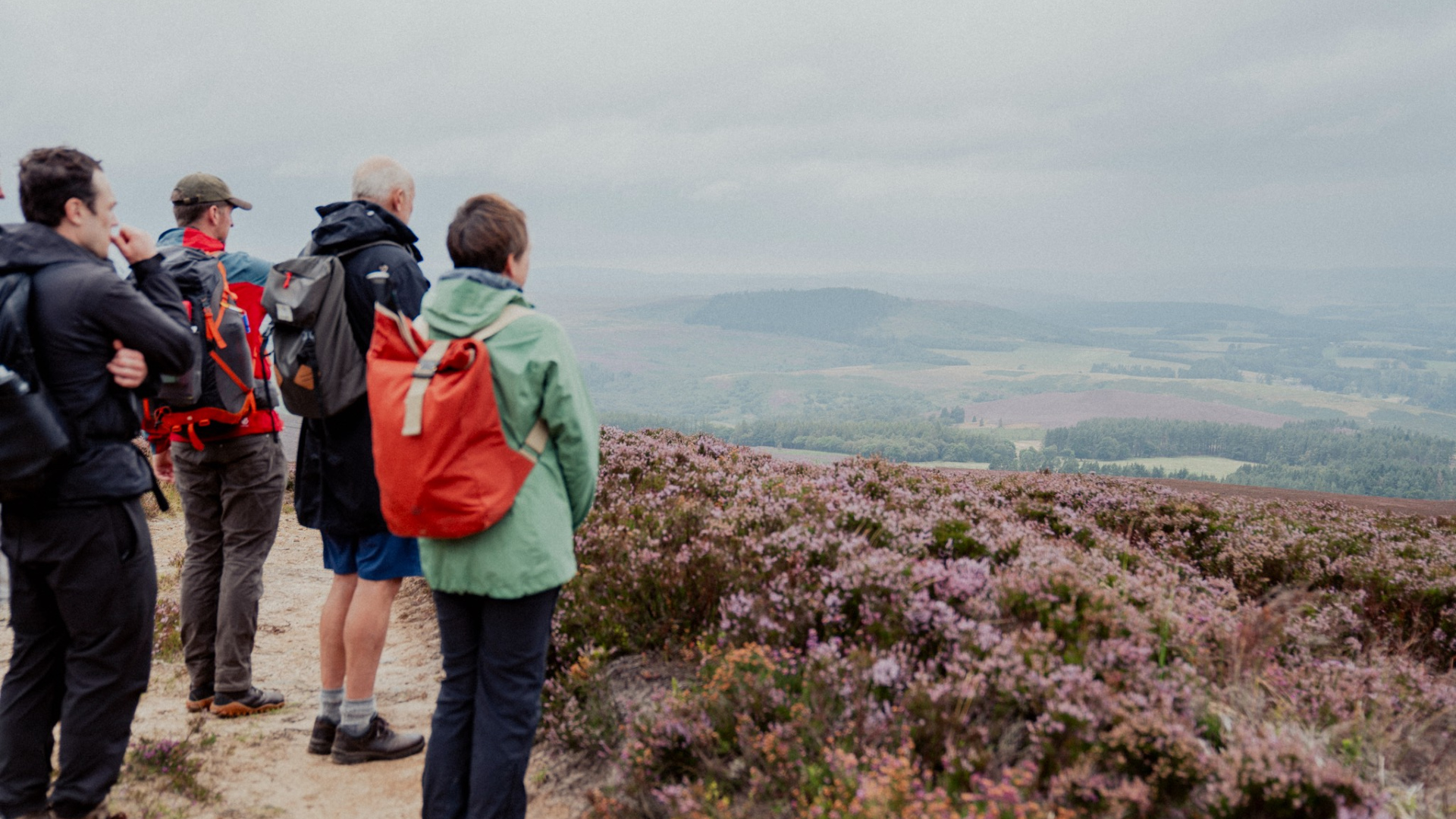
Visitors looking out over the Hepple Estate in Northumberland
Starting with instinct
Hepple Wilds is a small organisation rooted in a landscape rich with history and ecology. When they approached me, they weren’t looking for a radical re-brand. In fact, they had already done a significant amount of thinking themselves.
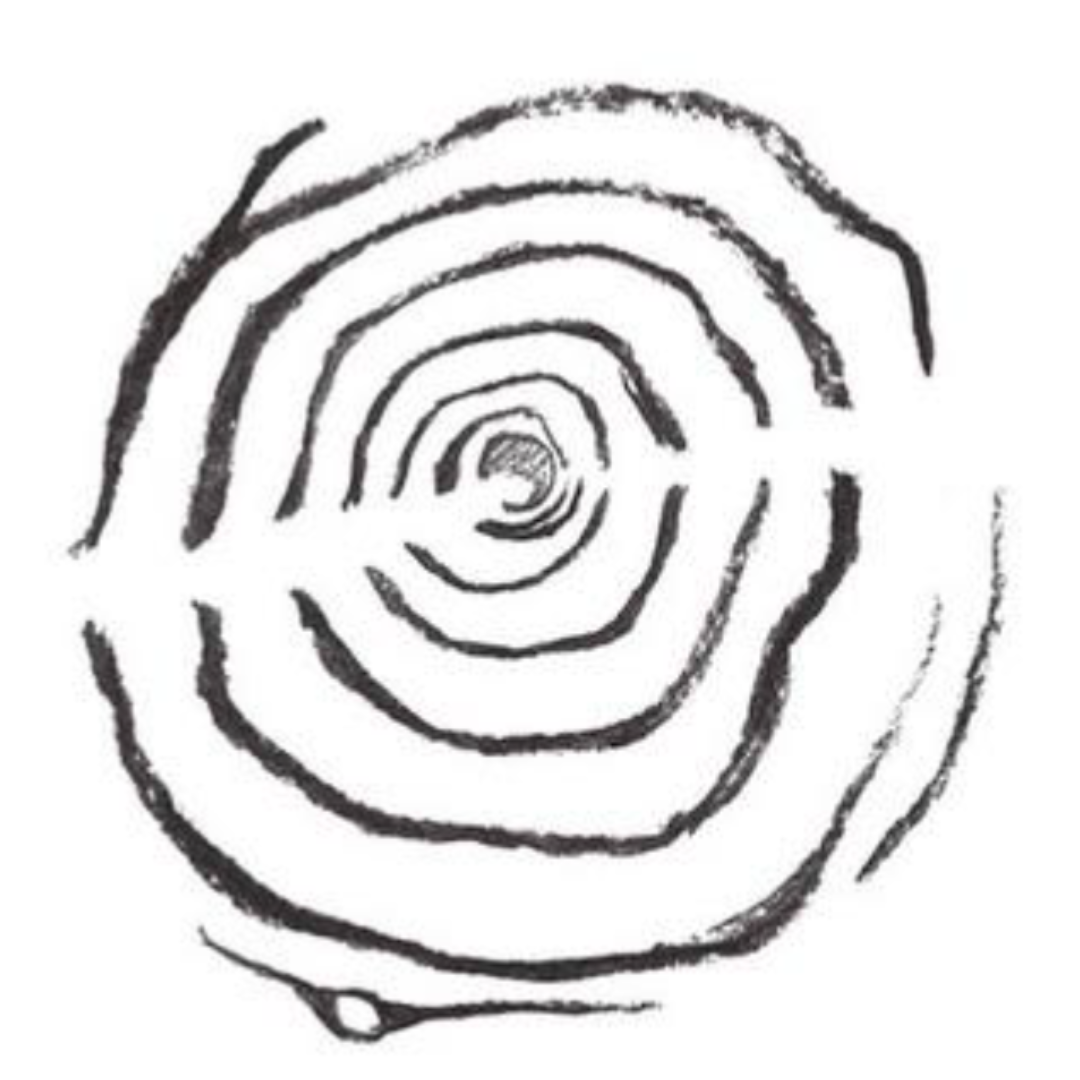
They came with sketches.
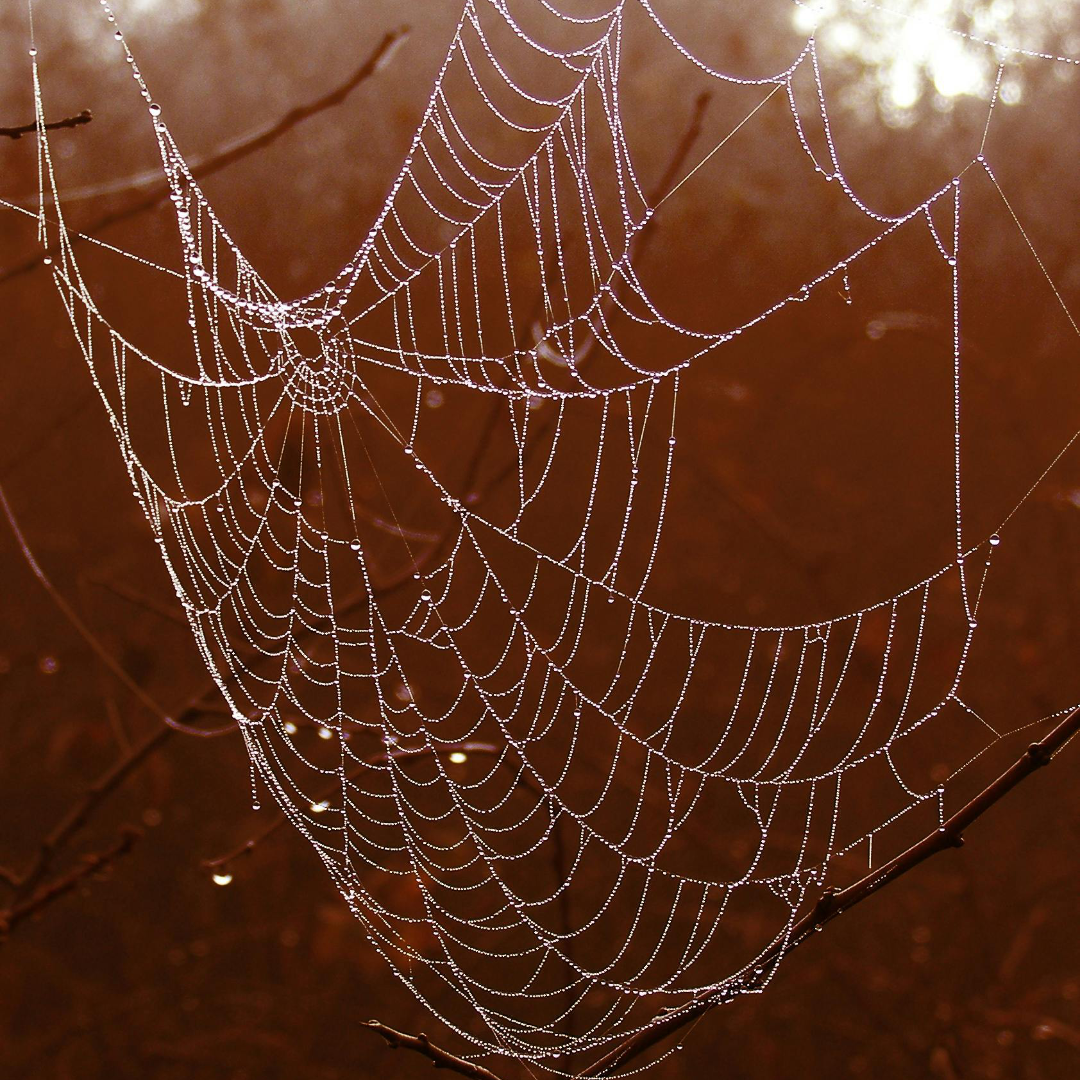
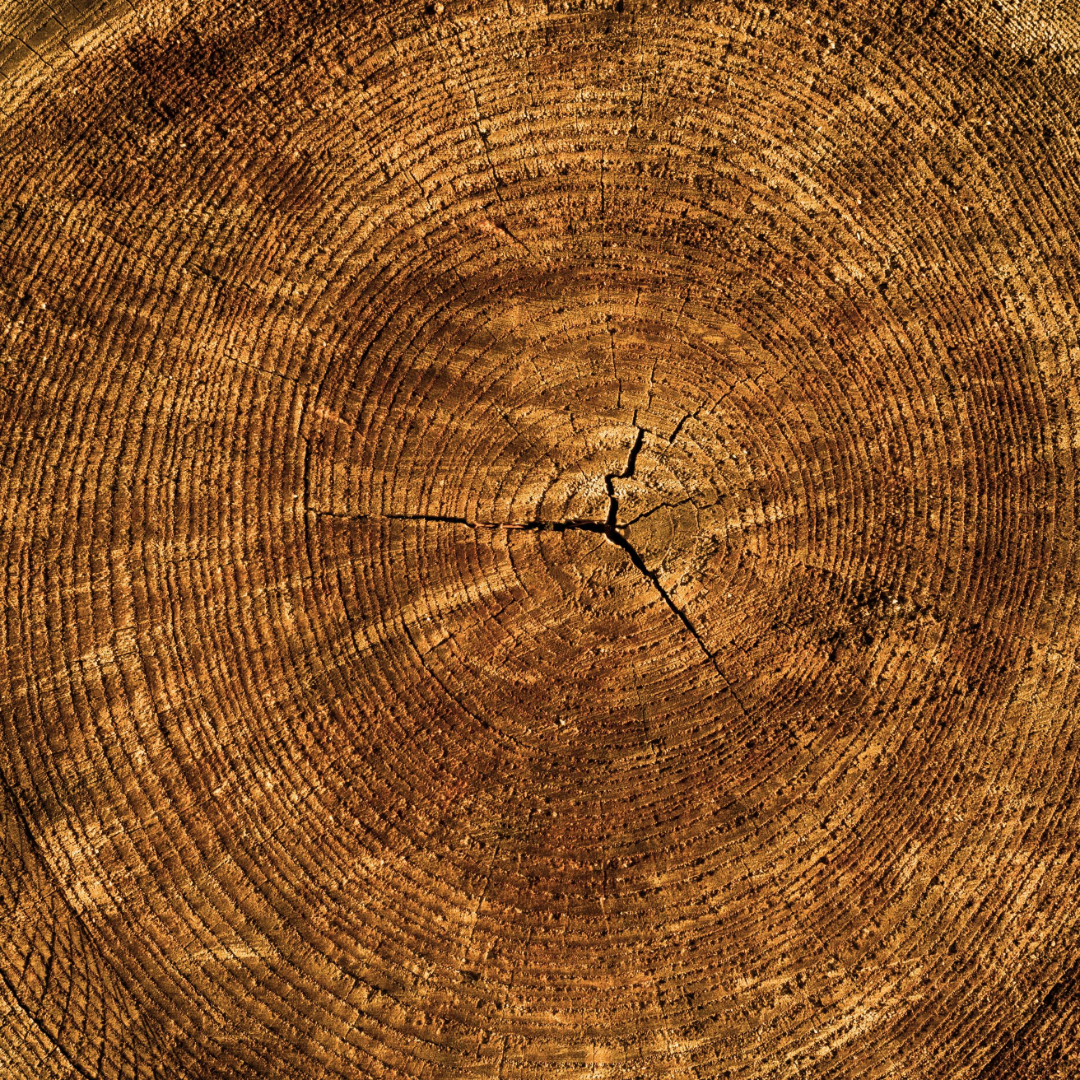
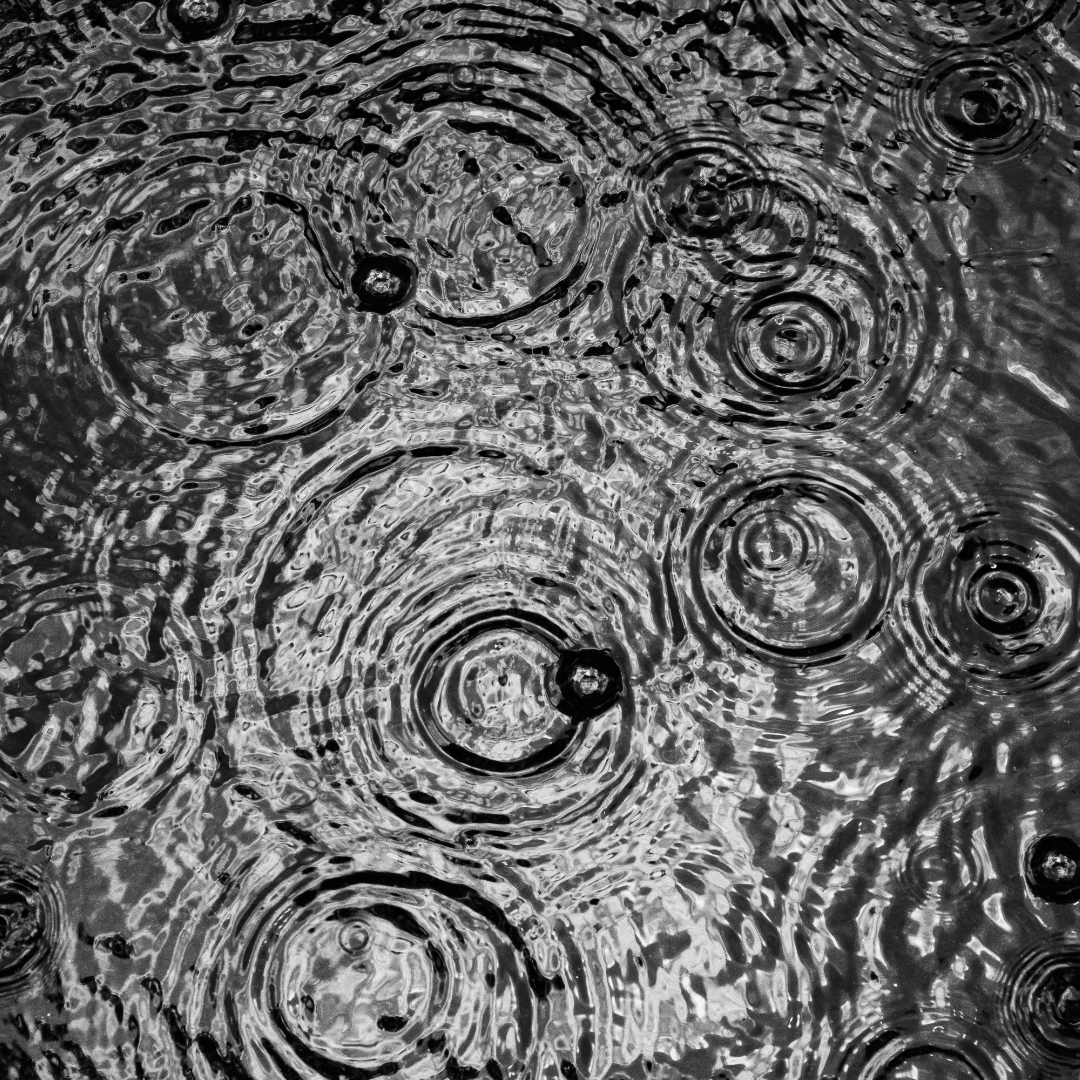
Rock art found on the estate had sparked an idea — a circular mark inspired by ancient carvings. But as they explored the concept further, the design began to evoke more than just archaeology. It suggested contour lines, tree rings, pond ripples, spiderwebs, and even spore prints. It felt layered, natural, and quietly ancient.
What they needed wasn’t a new direction. They needed reassurance. Was this strong enough? Was it coherent? Would it work as a logo rather than simply an idea?



The role of research — even on small projects
One of the things I learned during my 15+ years working within organisations such as the University of Oxford and the National Trust is that even small creative decisions can carry disproportionate weight.
Logos aren’t just graphics.
They sit in funding applications, public-facing documents, stakeholder reports, and websites. They need to feel confident and representative.
So although this was a relatively contained project, I approached it with the same mindset I would bring to a larger commission.
I looked carefully at:
the rock art references
the wider visual language of heritage and conservation organisations
how circular forms are used in landscape branding
how the mark might function at different scales
how it would sit alongside existing estate brands
and how the logo mark might interact with the typographic element
Rather than reinventing their idea, I vectorised and refined it. I created subtle variations:
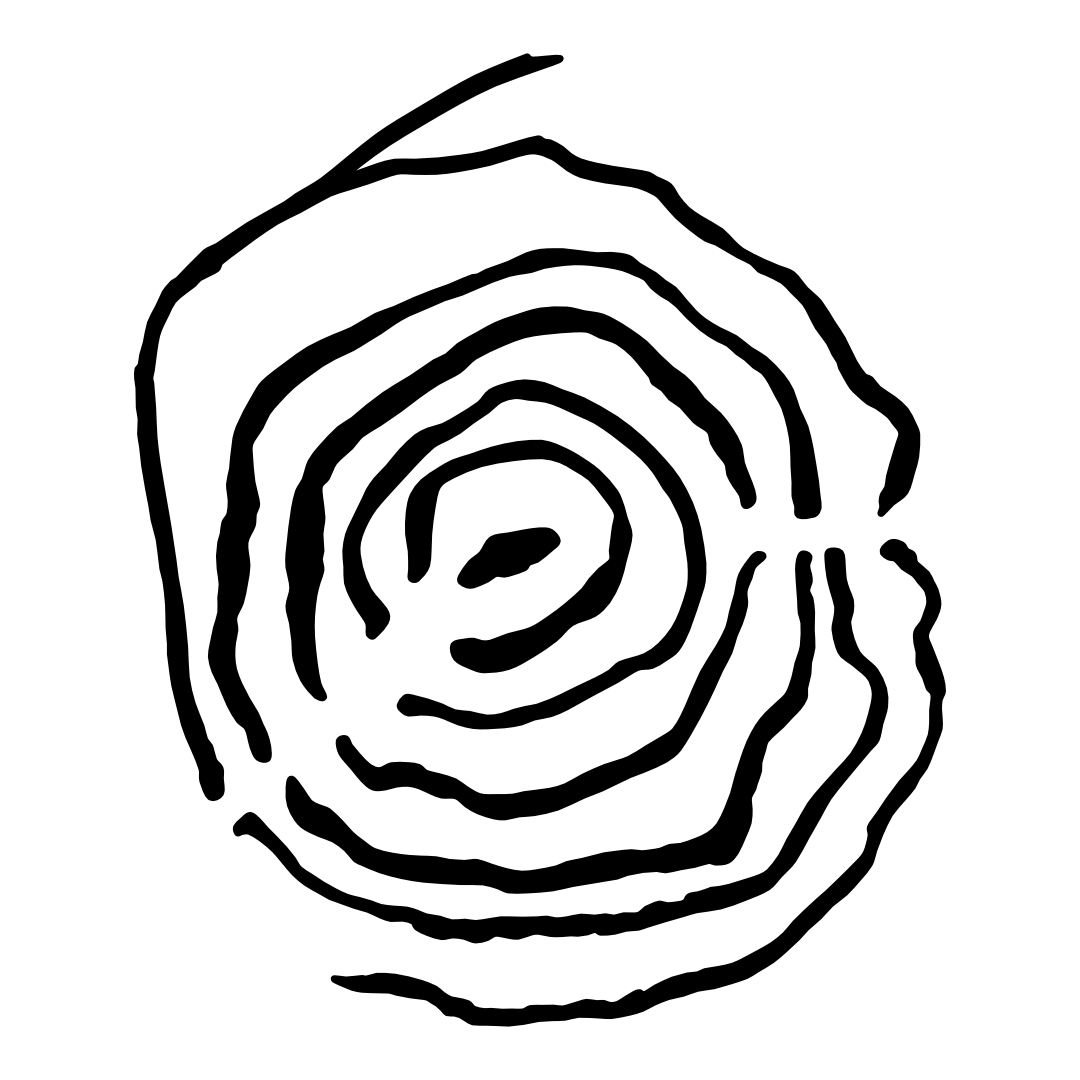
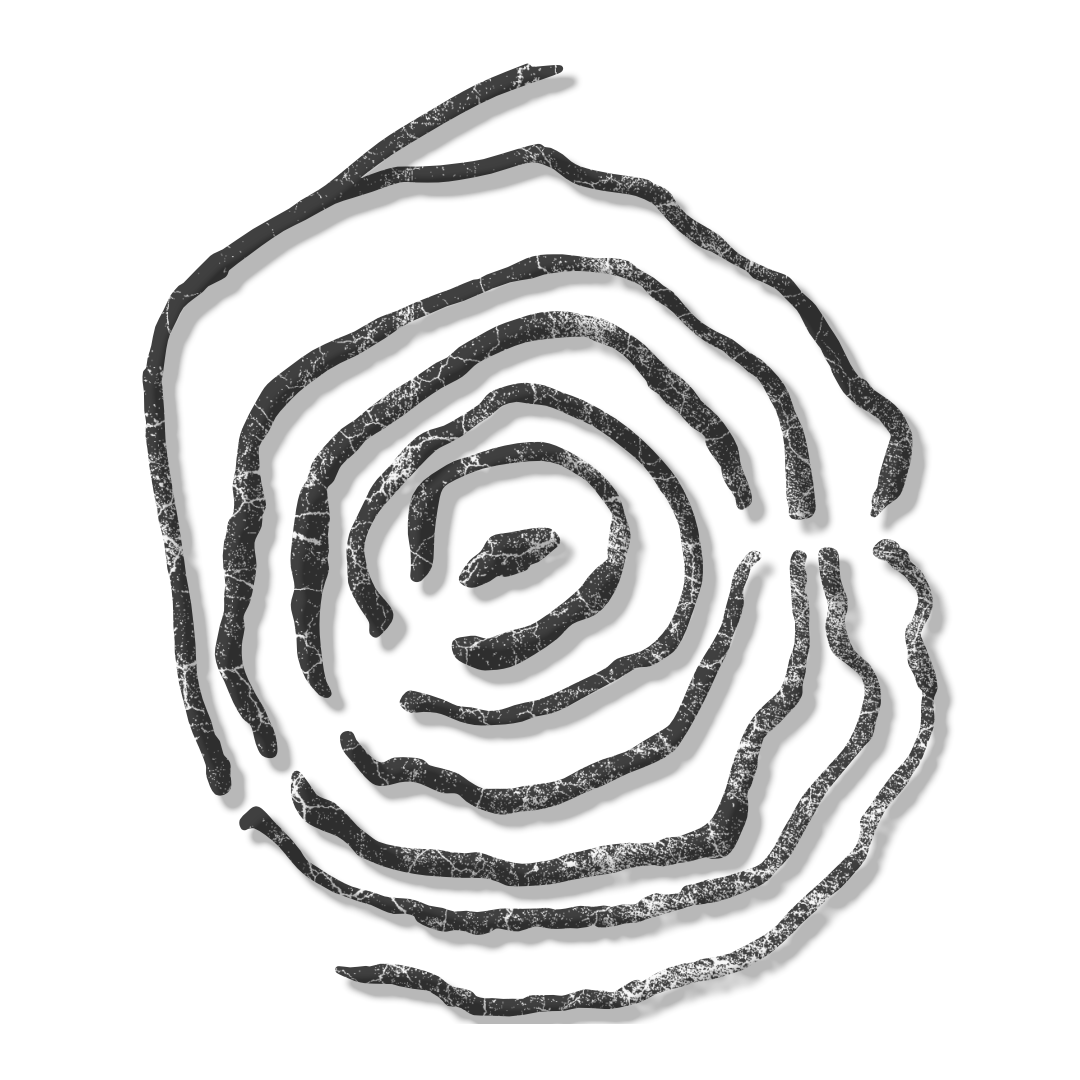
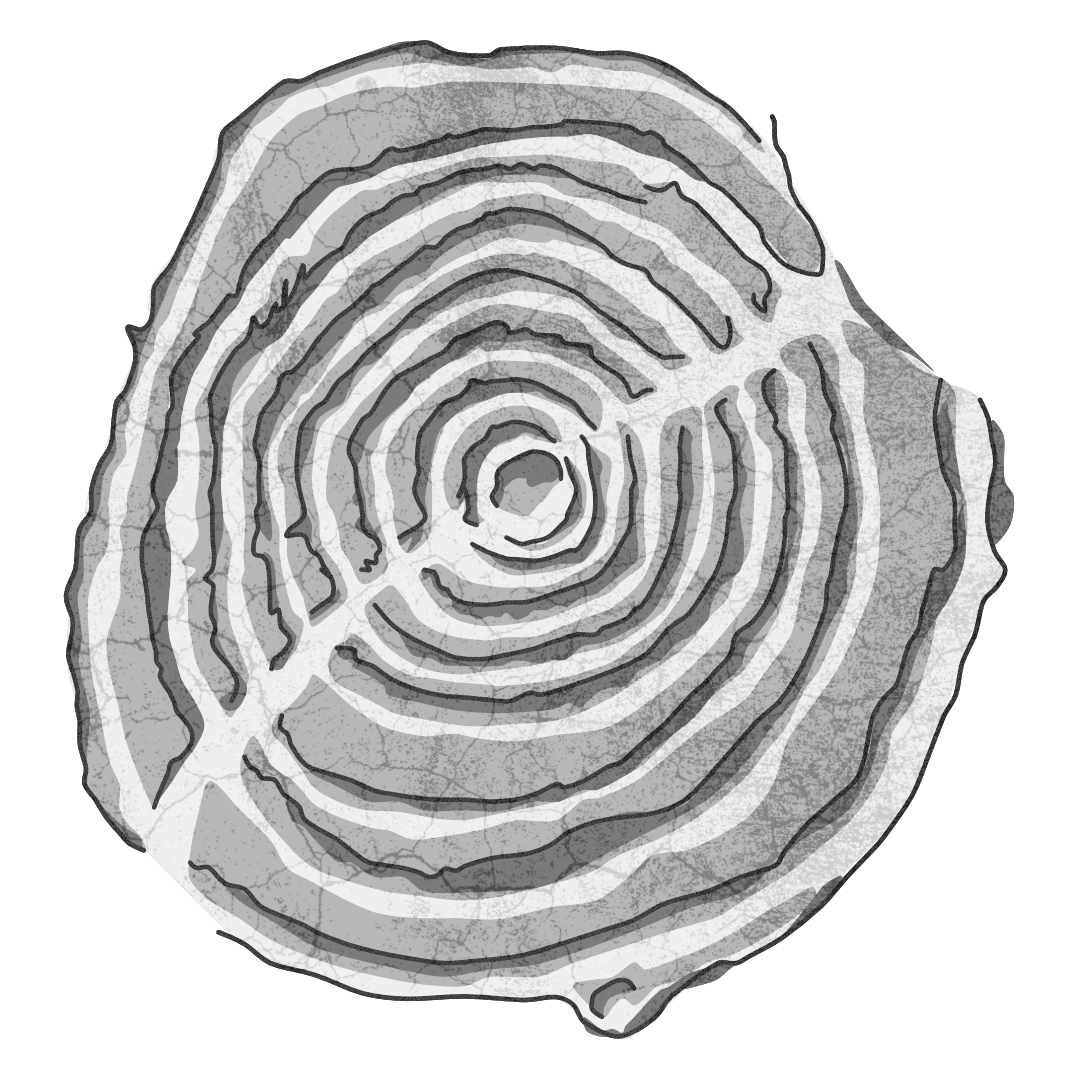
Seeing these iterations allowed the organisation to step back and compare. And ultimately, it confirmed what they had suspected all along: their original instinct — a simple, graphic mark — was the right one.
Typography: where decisions become surprisingly complex
If the logo mark was about instinct, typography choice was about endurance.
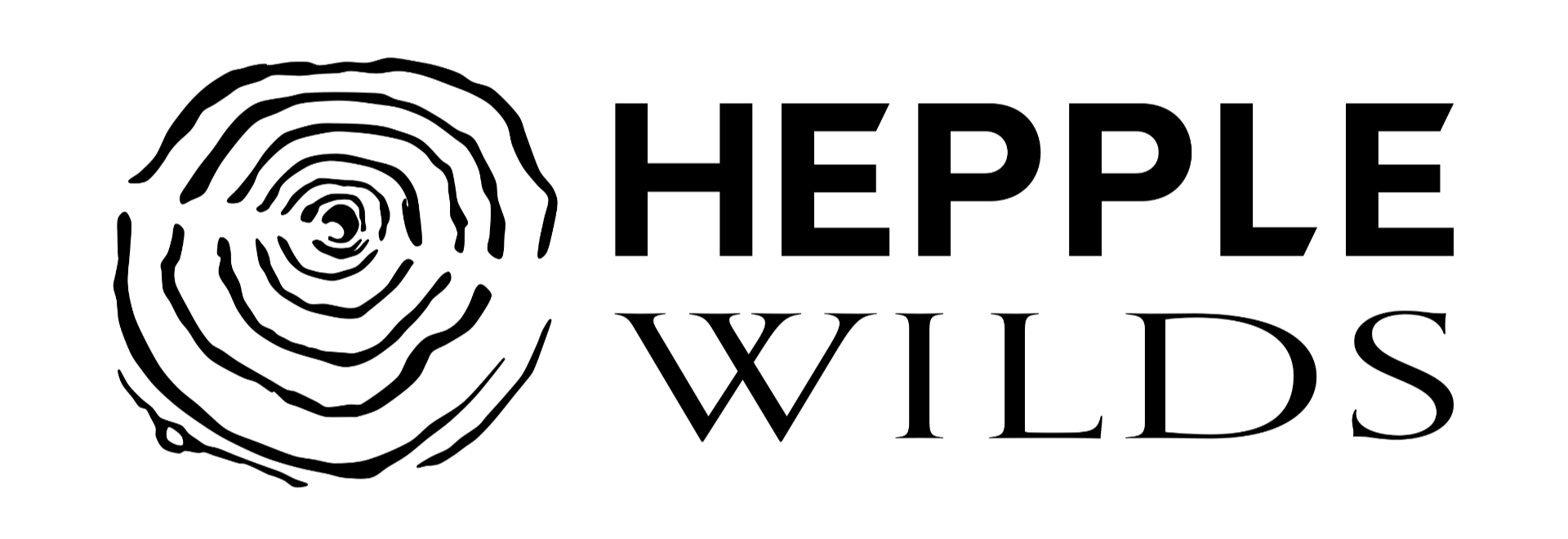
The estate is also home to the Hepple Spirits Distillery, which uses the font ‘Proxima Nova Bold’ for the word “Hepple” - a bold, san serif font. There was an understandable desire to retain a visual link across brands coexisting on the estate.
The question became: what should “Wilds” look like?
A serif font would sit comfortably within the heritage and landscape sector — many peer organisations use serif typography because it conveys longevity, trust, and a sense of rootedness. At the same time, there is always a temptation to stand apart.
We explored numerous pairings. Proxima Nova with a serif companion. Serif-only versions. Variations in line weight and alignment. At one point, the client admitted they had become “font blind” — a moment I recognise well from my previous life commissioning creative work.
Sometimes the most valuable thing a designer can offer is not another option, but a considered recommendation.
My instinct was that the curving logo mark suggested the language of serifs — that subtle echo between symbol and lettering created cohesion. There was also a strong argument for retaining a subtle link with the existing Hepple Spirits branding to create a quiet, overarching estate identity.
In the end, the solution was not dramatic. It was thoughtful and confident.
The value of trusted refinement
Since launching the new logo, Hepple Wilds have received feedback such as:
“Very nice: simple, modern, circular, ancient.”
“Exciting times — love the rebrand and getting back to your ancient roots.”
Those comments are telling. They speak to something that was already present in the organisation’s thinking.
This project reinforced something I feel strongly about: organisations often know their audiences extraordinarily well. Particularly in the heritage and conservation space, instinct is informed by lived experience, community understanding, and long-term stewardship.
The role of a designer, in these contexts, is not always to disrupt.
Sometimes it is to:
test the thinking
apply structure and technical rigour
ensure visual consistency
provide clarity and confidence
and, when necessary, say: “You’re right. Trust that.”
“Working with Ali for our logo project has been an absolute pleasure. Throughout the process she has been incredibly thorough in her work, honest with feedback and comments, and amazingly responsive with changes and new iterations. I felt bad coming back to her countless times with tiny tweaks and requests for new fonts but she handled it all very well and we are very happy with the final outcome. Thanks Ali!”
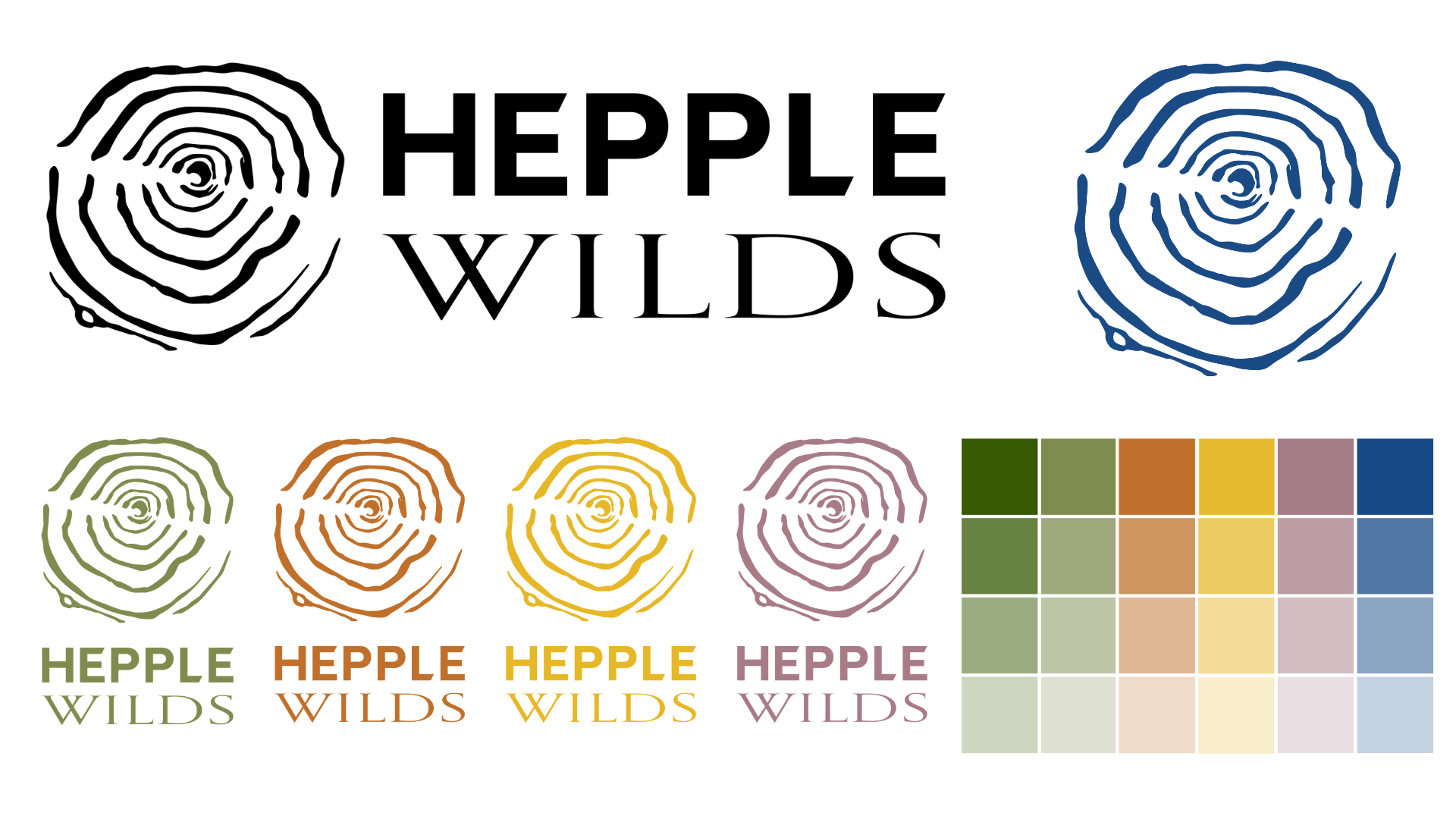
The full mini-branding pack I created, including different orientations of the full logo, stand alone logo mark and colour palette
A different kind of creative partnership
Because I’ve sat on the client side of the table for many years, I understand how weighty even small branding decisions can feel inside values-led organisations. Budgets are scrutinised. Stakeholders have opinions. The public will see the result. And I remember the feeling of frustration when working with creative agencies that were adamant that they knew better who my audience were and what would move them.
That experience shapes how I work.
Deep research isn’t reserved only for large interpretation projects. Even contained commissions deserve careful thought, contextual awareness, and sensitivity to the organisation’s wider ecosystem.
Projects like this are a reminder that not every organisation needs a dramatic rebrand or a completely new visual direction. Often, the strongest ideas are already present - shaped by years of lived experience, community understanding, and instinctive knowledge of audience.
In those moments, the role of a designer is less about invention and more about careful refinement: applying research, structure, and technical clarity so that an idea feels confident enough to stand publicly. For heritage and conservation organisations in particular, that reassurance can be just as valuable as creativity itself.
If you’re planning a rebrand or visual refresh, I’m always open to exploratory conversations.
You can find out more about the Hepple estate, the work of Hepple Wilds and admire their beautiful branding via their website at https://www.hepplewilds.com/